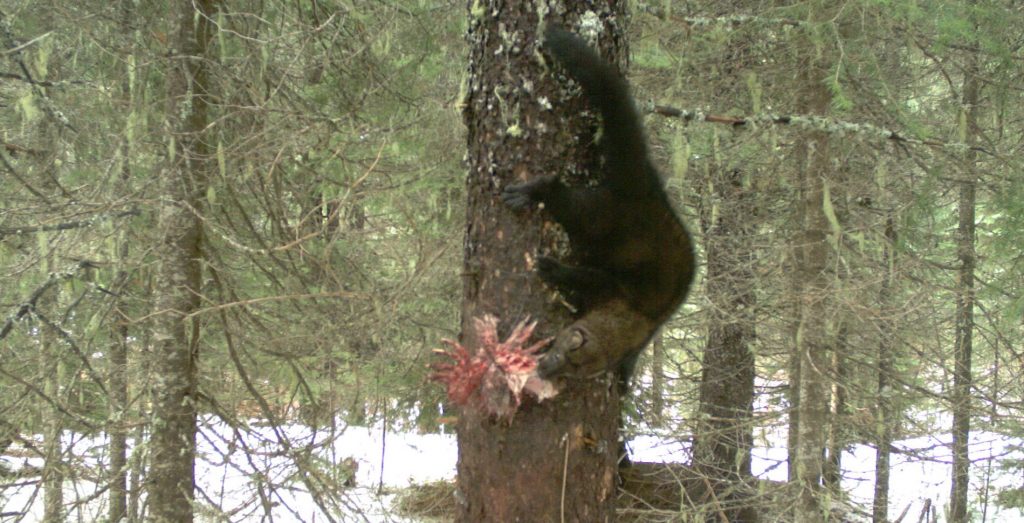
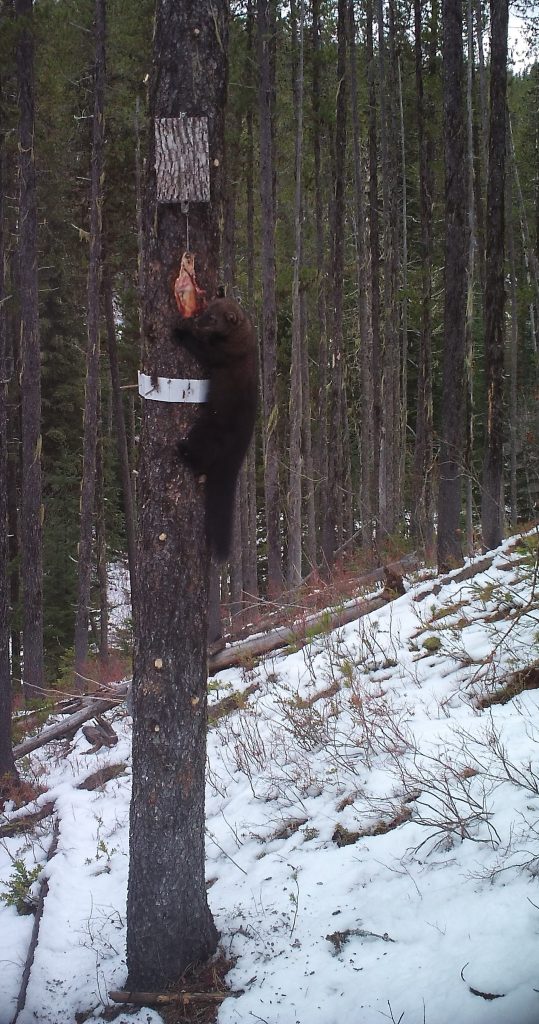
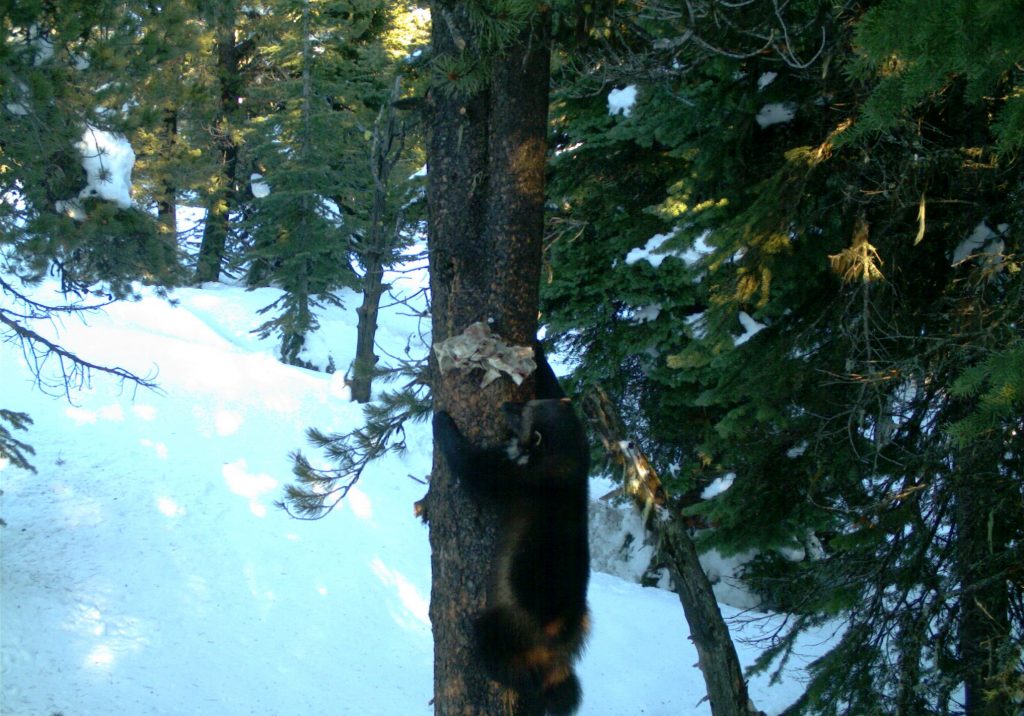
Fisher (Pekania pennanti), martens (Martes americana), lynx (Lynx canadensis) and wolverine (Gulo gulo) are examples of forest carnivores that are generally associated with remote wilderness. Due to their reliance on remote habitat with multi-layered forest stands, they are excellent indicators of the overall integrity of an ecosystem. In the past century, distributions of these species have declined due to a combination of land development, timber harvest, trapping, and increased road densities in forested areas. Petitions to list these species as “endangered” in portions of their historical range have been denied, largely due to a lack of information regarding the current distribution of their populations. These species have relatively low reproductive rates, occur at relatively low densities throughout their historical range, and are significantly affected by the land-use practices of humans.
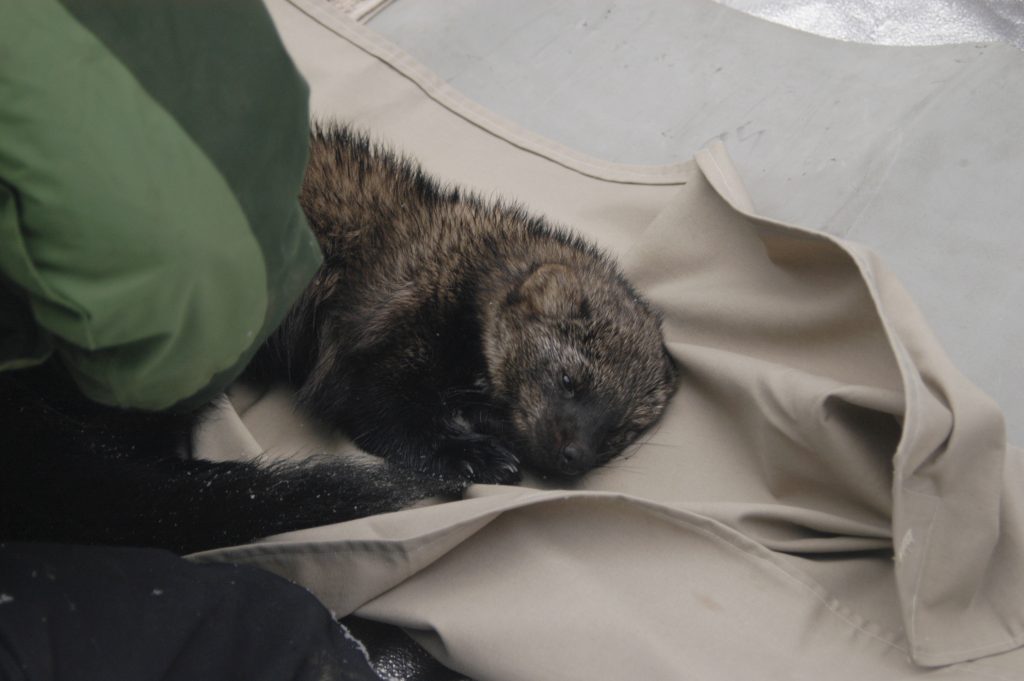
In the fall of 2005, the Tribal Wildlife Division was awarded a Tribal Wildlife Grant by the US Fish and Wildlife Service for a project aimed at detecting the presence of forest carnivores throughout the Ceded Territory of the Coeur d’Alene Tribe. This project represented a first step in beginning to identify the current distribution of forest carnivores in a portion of northern Idaho.
The Wildlife Division has continued to be involved in monitoring rare forest carnivores throughout the Aboriginal Territory of the Tribe in the years since the initial USFWS grant. Fishers, lynx and wolverine continue to be the focal species of search efforts, and bait stations with trail cameras are typically deployed each winter to try and document the presence of these species.